The Hidden Cost of Manual Ticket Pricing
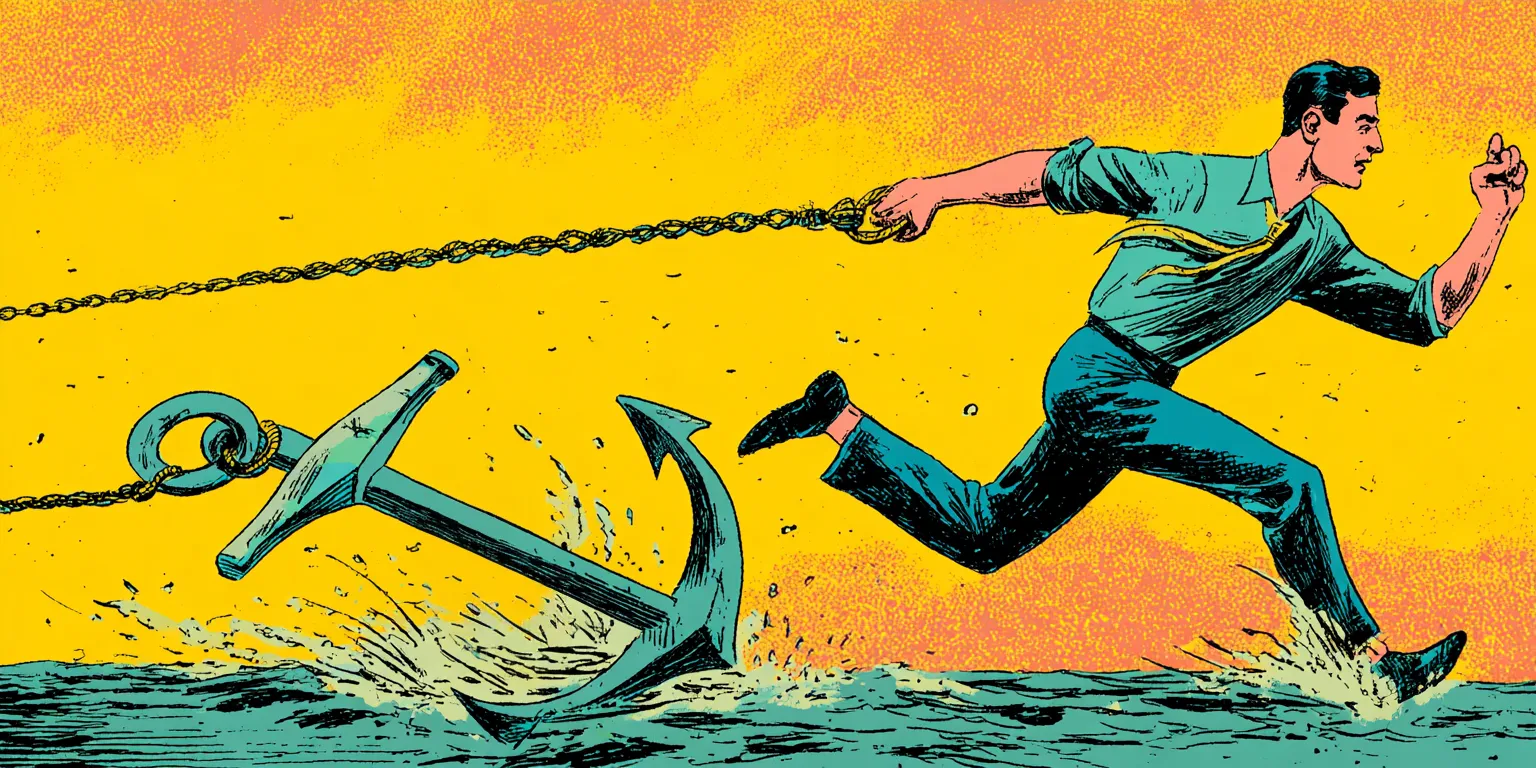
Let's talk about something nobody puts on a spreadsheet: the cost of doing everything yourself.
Manual pricing feels free. You're not paying for software, you're not trusting an algorithm, you're just doing the work. But that framing ignores the tax you're actually paying. In attention. In energy. In mistakes that compound. And eventually, in margin you didn't even realize you lost.
The first cost is the comp process. Every broker knows this ritual. You pull up your inventory, check primary and secondary exchanges, attempt to figure out where you sit and make a decision. Then you do it again. And again. Across dozens or hundreds of listings, across multiple events, several days a week. The market doesn't move from outside forces and anonymous circumstances. It moves because someone else looked at the same comps you did and decided to underbid.
That's the second cost: the waterfall. You adjust a price. Another broker sees it, undercuts you to grab the sale first. Someone else undercuts them. Before you know it, the floor has dropped and everyone's worse off. This isn't a market correction. It's a race to the bottom triggered by reactive reflexes.
And here's the thing: most of us are guessing. We look at comps, pick a number that feels right, and hope it lands. Maybe we target a few dollars below the lowest comp. Maybe we try to hold higher and see what happens. But there's no framework. No logic that survives contact with the next price check. Just instinct, repetition, and hope.
That's not a system. That's a slot machine with extra steps.
The third cost is cognitive load. When you're manually tracking comps across your entire inventory, your brain carries that weight too. Even when you're not actively pricing, part of you is thinking about it. Which listings need attention? What did that event look like an hour ago? Did I already adjust that section? The mental overhead is real, and it drains you in ways that don't show up anywhere but your energy level at the end of the day.
Then there's the fourth cost: human error. The typo that priced a ticket at $45 instead of $450. Now you have to spend time reversing the sale if that's even possible at all. The listing you meant to update but forgot. The wrong section, the wrong row, the wrong event. These errors happen to everyone, and they happen more often when you're tired, rushed, or juggling too many things at once. Many of these errors will never even be detected. Manual processes invite mistakes because they depend on you being perfect every single time.
I'm not saying manual pricing can't work. It can, especially at low volume. But the brokers who insist on doing everything manually are often the same ones who don't grow.
The irony is that the most successful brokers I know aren't the ones who check comps the most. They're the ones who figured out how to make their pricing systematic. They built logic around when to adjust, how much to move, and what signals actually matter. They stopped reacting to every comp and started managing their pricing like a process instead of a panic.
None of this requires a background in data science. It just requires admitting that the manual approach has real costs, even if you've been paying them so long you forgot to notice.
The goal isn't to work harder. The goal is to make better decisions with less friction. And that starts with recognizing that checking comps all day and guessing at prices isn't a strategy.
The brokers who find tools to maintain this loop are the ones who scale. The ones who don't will always be stuck running in place.
You must perfect every fundamental of your business if you expect it to perform well.
— Ray Kroc
MOVE BEYOND
SIMPLE PRICING.
Professional ticket brokering is a 24/7 challenge. Popcorn is opening limited access to brokers who want to shape how the engine evolves. Join the start of an elite system to win back time and grow your business.