The Best Seats in the House Now Cost More Than a Luxury Car
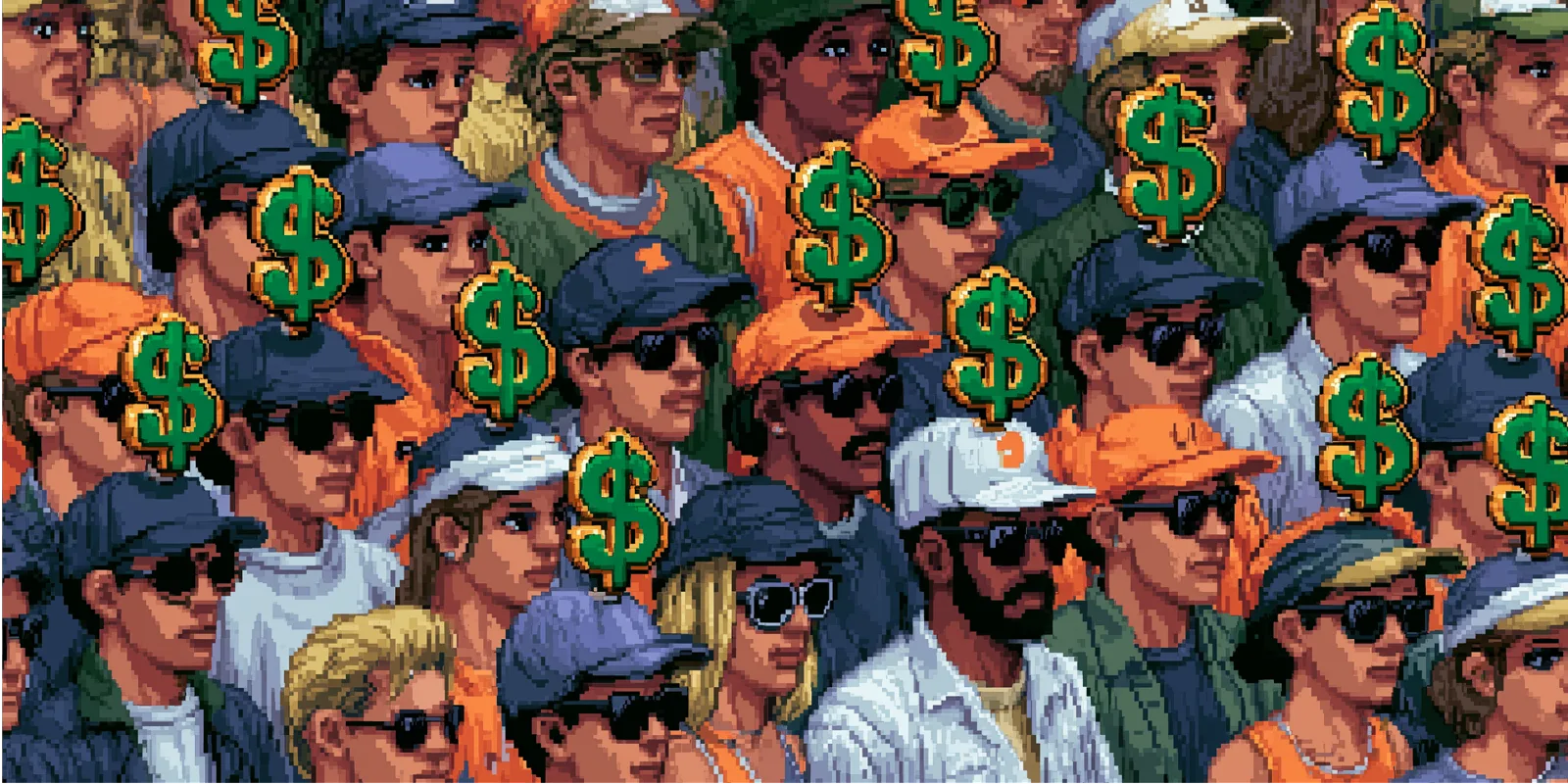
Somewhere along the way, going to a championship stopped being a splurge and became a wealth signal.
This June, the average ticket to Game 3 of the NBA Finals at Madison Square Garden topped $7,000, and the cheapest seat in the building still ran about $4,000, the most expensive NBA Finals ticket on record. Weeks earlier, the priciest seats for the World Cup final in New Jersey climbed from $6,730 to $10,990 across FIFA's sales windows, against roughly $1,600 at the 2022 World Cup in Qatar. And in January, the cheapest way into the college football national championship in Miami was about $3,370, nearly double the prior record.
Three sports, same story. And those are the entry prices. The best courtside seat for the Finals in San Antonio listed at $48,400 for a single game, and two Celebrity Row seats at Madison Square Garden were auctioned at $1 million for the pair. The marquee event is quietly becoming reserved for people who do not think twice about the cost.
This Is Demand, Not a Conspiracy
It is easy to blame greedy leagues and scalpers, and there is some of that. FIFA used dynamic pricing for the first time this year and takes a cut on both sides of its own resale platform, which is part of why several state attorneys general opened an investigation. But strip the outrage away and the explanation is simple. Demand is higher than ever and the supply of seats is fixed. When far more people want in than there are seats, price is the line that forms. The market is doing what markets do.
So the real question is whether anything can actually bring the price down.
Garth Brooks Already Answered That
One performer solved this years ago. Garth Brooks treats a concert like what it is, a repeatable product. He announces one show in a city, and the moment it sells out he adds another, then another. In Omaha he played six shows in four days. By flooding the primary market with supply, he keeps prices low and starves the resale market. Fans get in at a fair price, and he still makes a fortune, because the stage is already built and every extra night is mostly profit.
If a concert is too expensive, the answer is more concerts. The supply stretches to meet the demand.
Where there is scarcity, price is no object.
— Sam Zell
But a Championship Cannot Add a Second Night
Here is where it breaks. Garth can add a fifth show. The NBA cannot add a second Game 7. There is exactly one World Cup final, one national championship, one banner to hang. What people pay for is the singularity of the moment, being in the room the one time it happens. You cannot manufacture more of that without destroying the thing that makes it valuable.
The market does correct at the edges. The cheapest World Cup tickets across U.S. host cities fell about 37 percent in the two months before kickoff, and seats in San Antonio went for a quarter of the New York price. But that correction is slow and uneven, and the freedom to wait until the last seat drops is its own kind of luxury.
So I do not have a tidy fix. Supply beats scarcity, but only for events you can repeat, and the biggest moments in sports are valuable precisely because they cannot be. The seat inside the building, for the moment everyone wants to witness, is drifting toward wealth rather than passion.
For brokers, the hard part is assigning an actual number to represent that value. No formula tells you what a seat is worth. Popcorn is the tool to help you work out those complexities.
References
MOVE BEYOND
SIMPLE PRICING.
Professional ticket brokering is a 24/7 challenge. Popcorn is opening limited access to brokers who want to shape how the engine evolves. Join the start of an elite system to win back time and grow your business.